“Why does the moonshot matter?”
Alex Vale
“The goal was never escape. It was giving the company a reason to endure.”
Podcast catalog intelligence
Tonelio turns years of episodes into a private, searchable, speaker-aware archive. Find the exact moment, who said it, and play it back in context.
“The goal was never escape. It was giving the company a reason to endure.”
“I did not notice burnout as exhaustion. I noticed it as losing curiosity.”
“It was not one demo. It was the pattern across every release that changed the room.”
“From the outside it looked reckless. Inside the company, it was the only path through.”
“We agreed on flexibility. We disagreed on whether culture survives without ritual.”
The owner problem
Interview shows accumulate hundreds of hours of ideas, guests, recurring themes, and unresolved threads. Search engines see episode pages. Podcast players see feeds. Tonelio sees the catalog as one navigable body of conversation.
How it works
Start with an RSS feed or a curated set of episodes. Tonelio ingests the audio and metadata into a private owner catalog.
Transcription, timestamps, diarization, speaker review, keyword search, and semantic retrieval are built together.
Search across episodes, open the synced player, and land on the precise line of transcript and audio.
Find a phrase, topic, guest, or idea across the whole show instead of one episode at a time.
Recurring voices can be reviewed, named, merged, and followed across appearances.
Every result links to a timestamped transcript line and the matching audio moment.
Catalogs are private by default. Public search or ask surfaces are explicit owner choices.
Moments
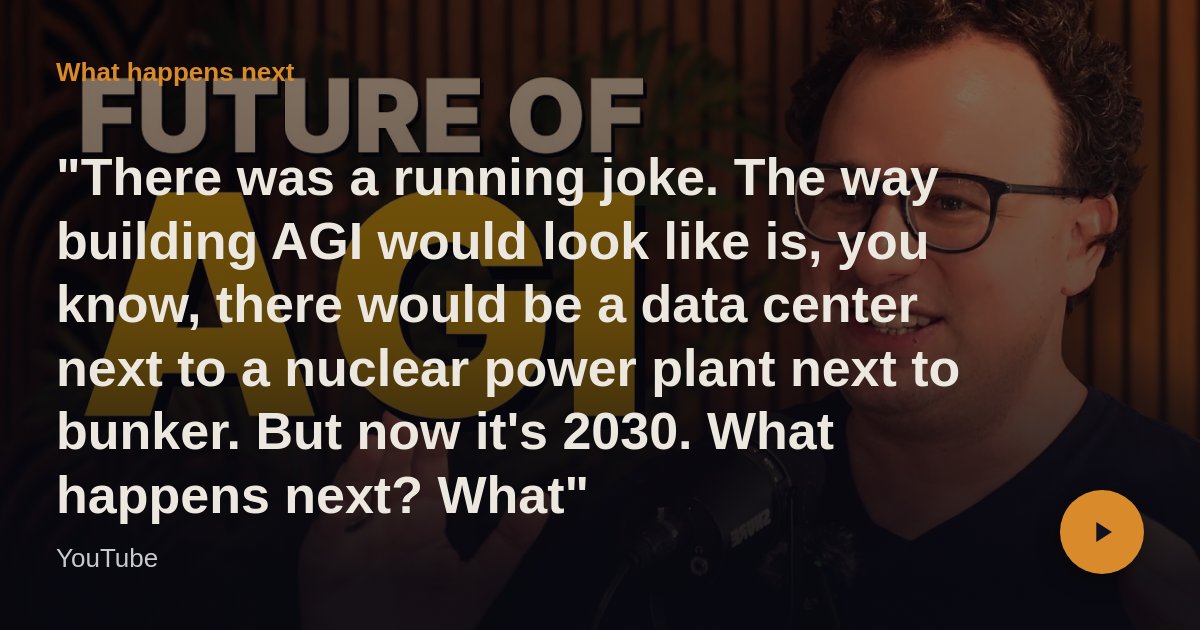
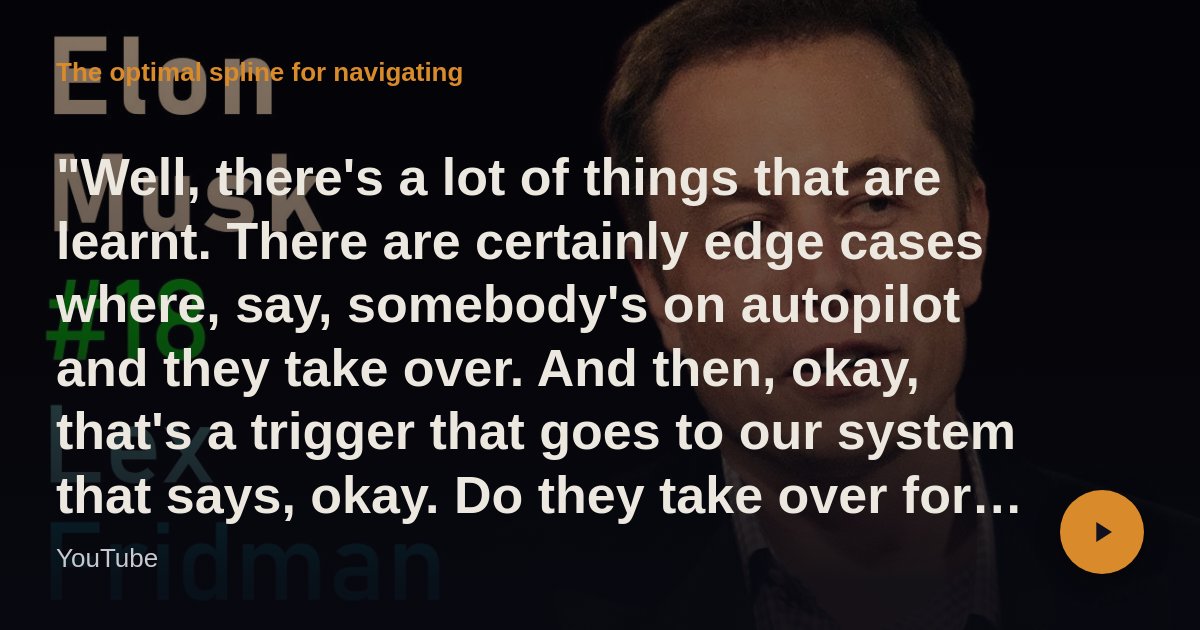
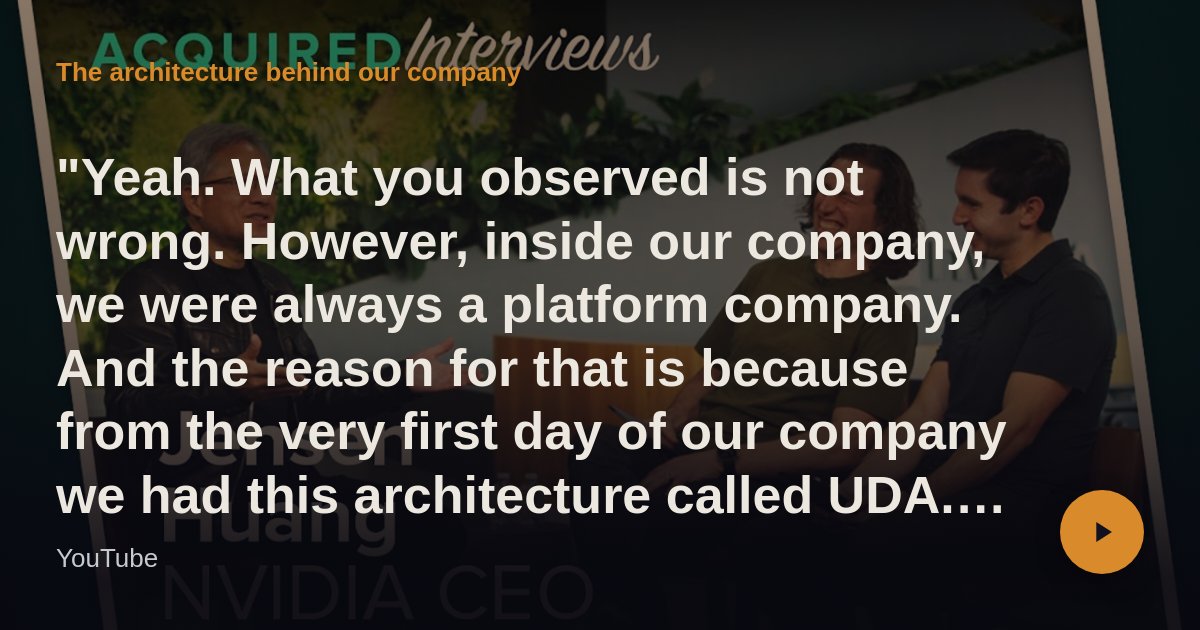
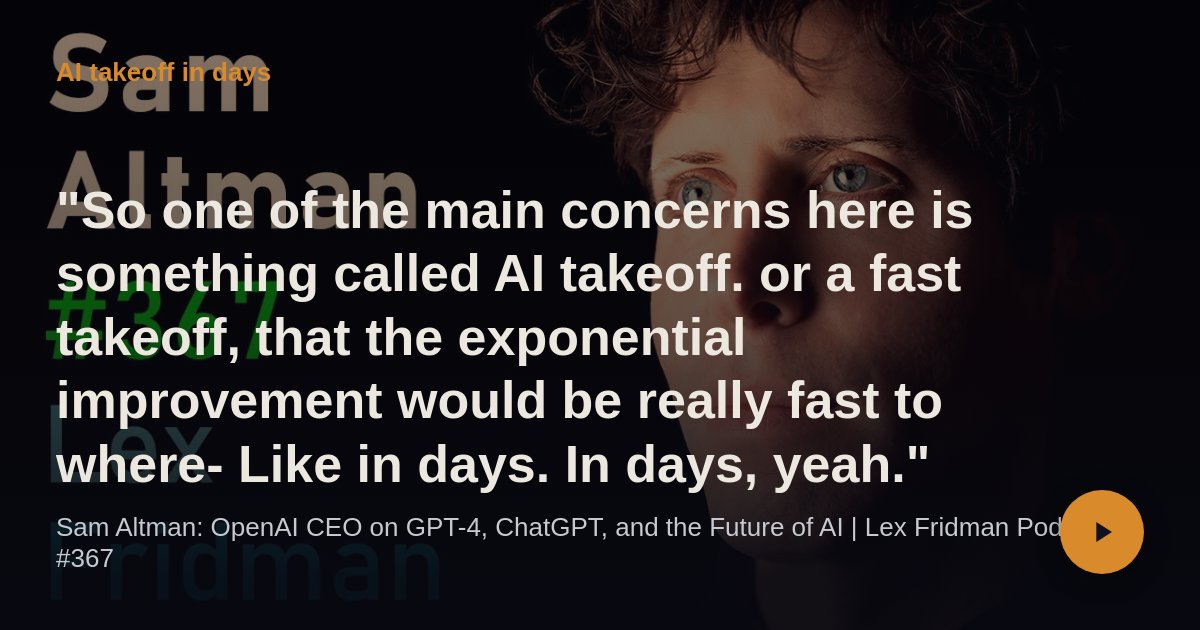
Save the lines people remember as clean public cards that point back to the source episode.
Trust model
Tenant isolation is treated as a hard boundary at every read and write path.
Transcripts and speaker labels are machine-generated, owner-correctable, and not promised as perfect.
Public surfaces require explicit owner control and visible correction paths.
Design partners
Tonelio is being shaped with podcast owners who have enough episodes for search, speakers, and memory to matter.
Email partners@tonelio.com